
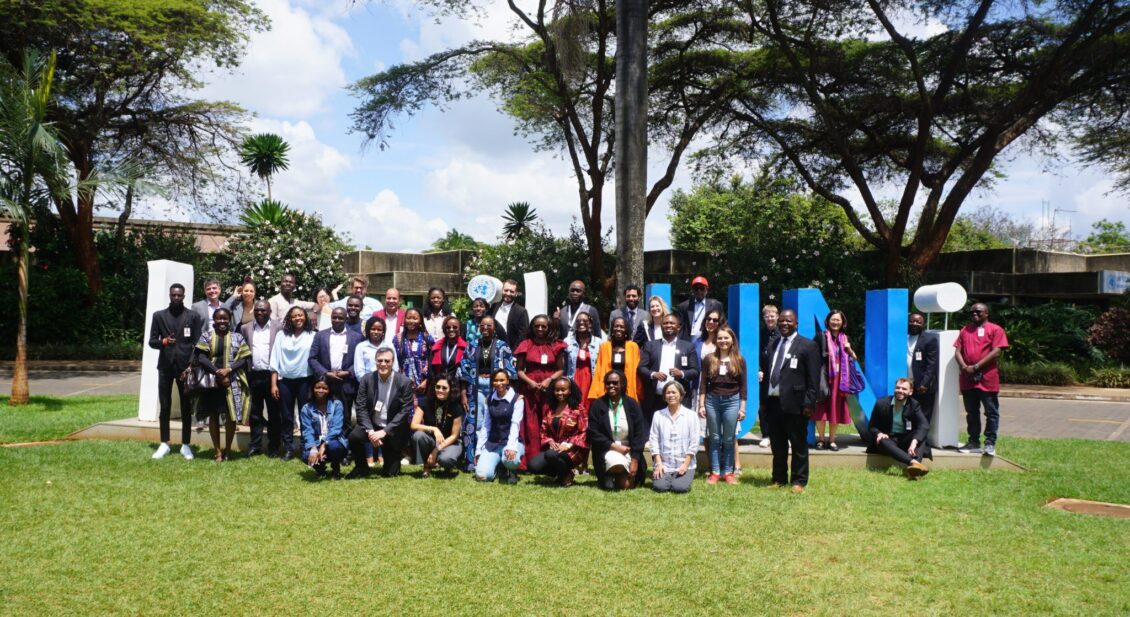
A look at the progress made during the third round of negotiations for the UN Framework Convention on International Tax Cooperation and the contributions of civil society.
Analysis reposted from Latindadd’s website here.
By: Luis Moreno, Director of International Taxation at Latindadd, member of Red de Justicia Fiscal de América Latina y el Caribe, and Chair of the Global Alliance for Tax Justice
The third round of negotiations for the United Nations Framework Convention on International Tax Cooperation (UN Tax Convention) took place from November 10th to 19th in Nairobi. This session marked the beginning of genuine negotiations to structure a fairer and more equitable global tax system that strengthens the fight against tax evasion and avoidance by large corporations and high-net-worth individuals. This process has the potential to mobilize the domestic resources necessary for financing public policies, including the Sustainable Development Goals (SDGs) and other UN commitments.
This round of negotiations discussed the initial drafts to develop the Framework Convention and the second protocol related to the prevention and settlement of tax disputes. Discussions on the third protocol will take place at the next session in February 2026.
The debate highlighted the complexities of the process. On one hand, some countries in the Global North defended maintaining the status quo and the current rules of the international tax system, even disregarding definitions and approaches already established within the United Nations system itself. On the other hand, several countries in the Global South, particularly those in the African Group, insisted on the need for tangible changes to guarantee a truly level playing field.
The participation of over 110 members of civil society marked a milestone in the negotiations. Civil society enriched the process; highlighting urgent demands, sharing proposals, and underscoring that current regulations have failed to stop the ongoing erosion of tax bases, exacerbated by the opacity of the existing system. As the African Group pointed out, “if this system worked, we wouldn’t be here today trying to fix it.”
Critical interventions from civil society pointed to the initial lack of ambition in promoting standards on key issues such as transparency, tax cooperation on a level playing field, and the need to avoid a fragmented convention.
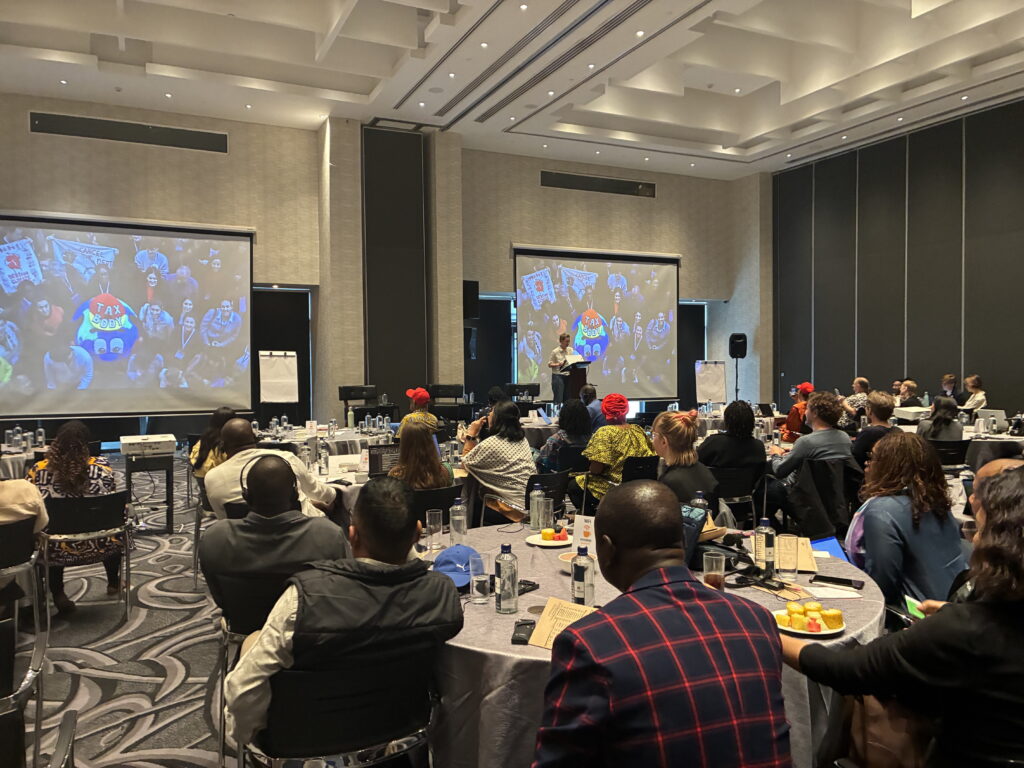
Meetings of civil society organizations in Nairobi.
Along those lines, the organizations raised several key demands:
- Link the Framework Convention with the SDG commitments, as well as with discussions taking place in the UN, is crucial. The recent COP30 climate negotiations emphasized the urgent need for resources for climate, a topic that was disconnected from the discussions in Nairobi.
- Promote real measures of transparency and political commitment to strengthen the international tax architecture, including:
- The transition to a unitary taxation with a formulary apportionment, replacing the transfer pricing system;
- The creation of a Global Asset Register that allows for an automatic, multilateral and effective exchange of information;
- The publication of the registers of beneficial owners and the country-by-country reports;
- A fair distribution of tax rights that covers both multinational corporations and large fortunes.
- Ensuring tax sovereignty through a fair allocation of tax rights that breaks with the status quo. Within this framework, several African countries rejected arbitration as a mechanism for resolving tax disputes, due to the historical imbalance that pits countries of the Global South with limited resources against systems designed under standards that favor countries of the Global North and are lax in addressing tax avoidance. But above all, this is due to the very design of international standards and treaties based on the transfer pricing system, which remains dominant in the current tax architecture.
The Framework Convention must offer substantive tools to eliminate opacity, close tax havens, eradicate harmful practices, and prevent profit shifting. Only in this way will it be possible for multinational corporations and the very wealthy to pay taxes where they actually generate their profits. The time for profound change toward fairer, more robust, and more equitable tax governance is now.
We are now at a stage in the negotiations where UN Member States and other actors can submit proposals to enrich and feed into the convention until December 5, and we hope that governments will increase their ambition to achieve the repair of this broken tax system.