
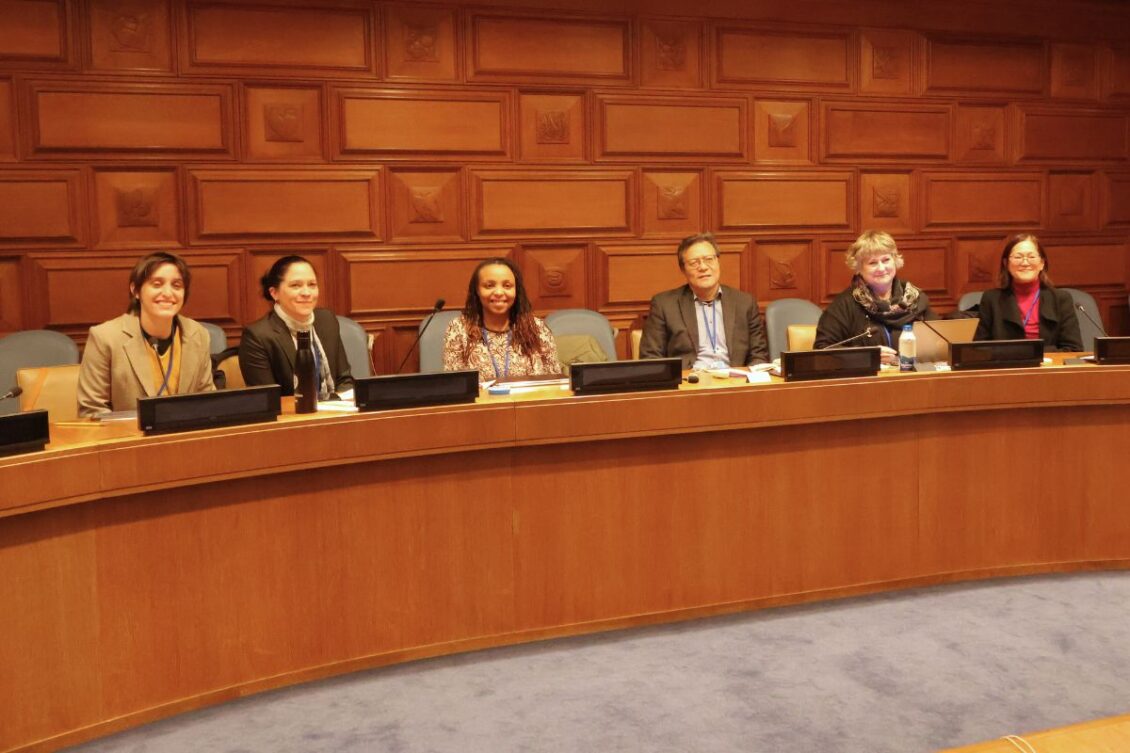
A side event stocktaking the 4th session of negotiations for the UN Framework Convention on International Tax Cooperation.
From February 2nd to 13th, the 4th session of negotiations for a UN Framework Convention on International Tax Cooperation (UN Tax Convention) took place at the UN Headquarters in New York. Civil society held a side event at the end of the session to assess progress on the negotiations for the new global tax rules.
The side event looked at key topics in the negotiations: producing a robust UN Tax Convention, creating an international tax system for sustainable development, delivering a fair allocation of taxing rights, and ensuring transparency in the new global tax rules.
A Historic Opportunity to Fix the Global Tax Rules
The current global tax rules are broken and need to be urgently replaced. As shared by Nathalie Beghin (INESC and RJFALC): “Tax abuse undermines States’ capacity to mobilize domestic resources and fulfill human rights obligations. Extreme wealth accumulation is the result of structural weaknesses in the international tax system, including secrecy jurisdictions, fragmented national tax rules, and the absence of enforceable global tax standards.”
From now until mid-2027, negotiations take place on the Framework Convention and two early protocols. The first week of the 4th session discussed the Co-Lead’s Draft Framework Convention Template. The second week of negotiations covered:
- Protocol 1 on taxation of cross-border services in a digitised and globalised economy
- Protocol 2 on dispute prevention and resolution
The UN Tax Convention has the potential to deliver over a trillion dollars in financing so urgently needed for public services and UN commitments. “Discussions at the UN from climate to biodiversity all ask the question: where is the money? These UN tax negotiations are here to say there is money,” affirmed Tove Maria Ryding (Eurodad).
An International Tax System for Sustainable Development
Civil society confirmed the importance of delivering on the Terms of Reference, the mandate of the negotiations. “We have a historic opportunity to create a fair and effective international tax system for sustainable development, as mandated by the UN General Assembly. We can finally create a tax system that works for all countries,” shared Lison Rehbinder (Global Alliance for Tax Justice).
Panelists highlighted the importance of ensuring that tax systems address issues from gender-responsive taxation to the effective taxation of the extractive industry. Nina Stros (Greenpeace International) spoke on the need for a polluter pays surtax, “We need to implement progressive environmental taxation to tax profits and capital rather than putting the burden on the consumer.”
The Heart of the Negotiations: A Fair Allocation of Taxing Rights
The 4th session of negotiations went to the core of the broken international tax system with important proposals from countries and groups including the Africa Group. At the heart is a key issue in international taxation: how to fairly allocate taxing rights between countries, Article 5 of the Framework Convention.
Everlyn Muendo (Tax Justice Network Africa) explained, “The allocation of taxing rights will address the century-long question of source versus resident countries. Power dynamics between developing and developed countries have ensured that double taxation agreements restrict source country taxing rights severely. The opportunity we have to fix this system is monumental.”
In a joint catalogue, civil society also emphasized the importance of having an article in the Framework Convention on the effective taxation of multinational corporations to fix the corporate tax rules.
The Need for Transparency
Throughout the negotiations, countries discussed how to ensure that the new global tax rules are effective. Florencia Lorenzo (Tax Justice Network) shared, “We need the clarity of the implementation of the processes that will govern the Framework Convention including on exchange of information.”
Nathalie Beghin spoke about the importance of progressive taxation of the rich. Beghin shared 5 tools needed to enable effective taxation:
- Automatic exchange of information
- Public beneficial ownership registers
- Public country-by-country reporting
- Transparency around tax incentives and exemptions
- A binding global mechanism for implementation, monitoring, and accountability, as norms are necessary but not sufficient to ensure the implementation of obligations
Creating Effective Global Tax Rules is in the Interest of All
The 4th session of negotiations have made it clear that the current global tax rules do not work. Civil society repeatedly shared how it is in the interest of all countries, in both the Global North and Global South to contribute in good faith to the negotiations that have the potential to fix the core issues of the international tax system and deliver billions of dollars.
“We have a major opportunity in these negotiations to deliver a robust and ambitious UN Tax Convention. If we don’t get this right, we could reinforce inequalities in the new global tax rules,” warned Jeannie Manipon (Asian Peoples’ Movement on Debt and Development).
The 5th session of negotiations will take place from August 3 – 13 in New York. Governments now face a clear choice: protect the status quo that fails all countries or seize this historic moment to build a fair, transparent, and inclusive global tax system.