
The global tax system is outdated and broken. The international tax rules have been written by a small “rich countries’ club” at the OECD, producing ineffective and exclusionary rules. The current international tax system is fragmented and chaotic, favouring multinational corporations and the world’s richest, while deepening inequalities both within and between countries. It is a system that rewards corporate abuse, punishes those least able to pay, and leaves governments competing in a race to the bottom where we all lose.
A historic opportunity is now underway to fix the global tax rules and deliver the finance urgently needed to fund public services, development, climate action, human rights, and gender equality. Countries are negotiating a United Nations Framework Convention on International Tax Cooperation (UN Tax Convention) and two early protocols from now until mid-2027. The negotiations cover the core issues of the international tax system including the allocation of taxing rights and the taxation of multinational corporations and the rich. This process is historic not only because of its scope, but also because it is the first time that all countries can negotiate the global tax rules on an equal footing. The negotiations open a door to participation by social movements, trade unions, and civil society across the world. Tax rules are not technical: they are deeply political and central to the struggles for climate justice, development, workers’ rights, gender equality, and human rights.
Campaign activities
For over a decade, GATJ has championed the need for a fair, inclusive, and effective international tax system. From the beginning of the UN Tax Convention negotiations, civil society and trade unions have been an active, united voice in the process. As co-coordinator of the UN Tax Convention Global Working Group, GATJ brings together diverse civil society groups and trade unions to mobilise at the global level. Under the working group, GATJ and Eurodad bring together civil society to write joint UN submissions with 200+ signatories, produce “FfD Chronicles” during UN tax negotiations highlighting the position of civil society, and share joint interventions in the negotiations.
If you are looking to join the UN Tax Convention Working Group, or one of the regional groups led by GATJ’s member networks, please send an email to: [email protected]
Timeline of the negotiations
The UN Tax Convention Negotiations
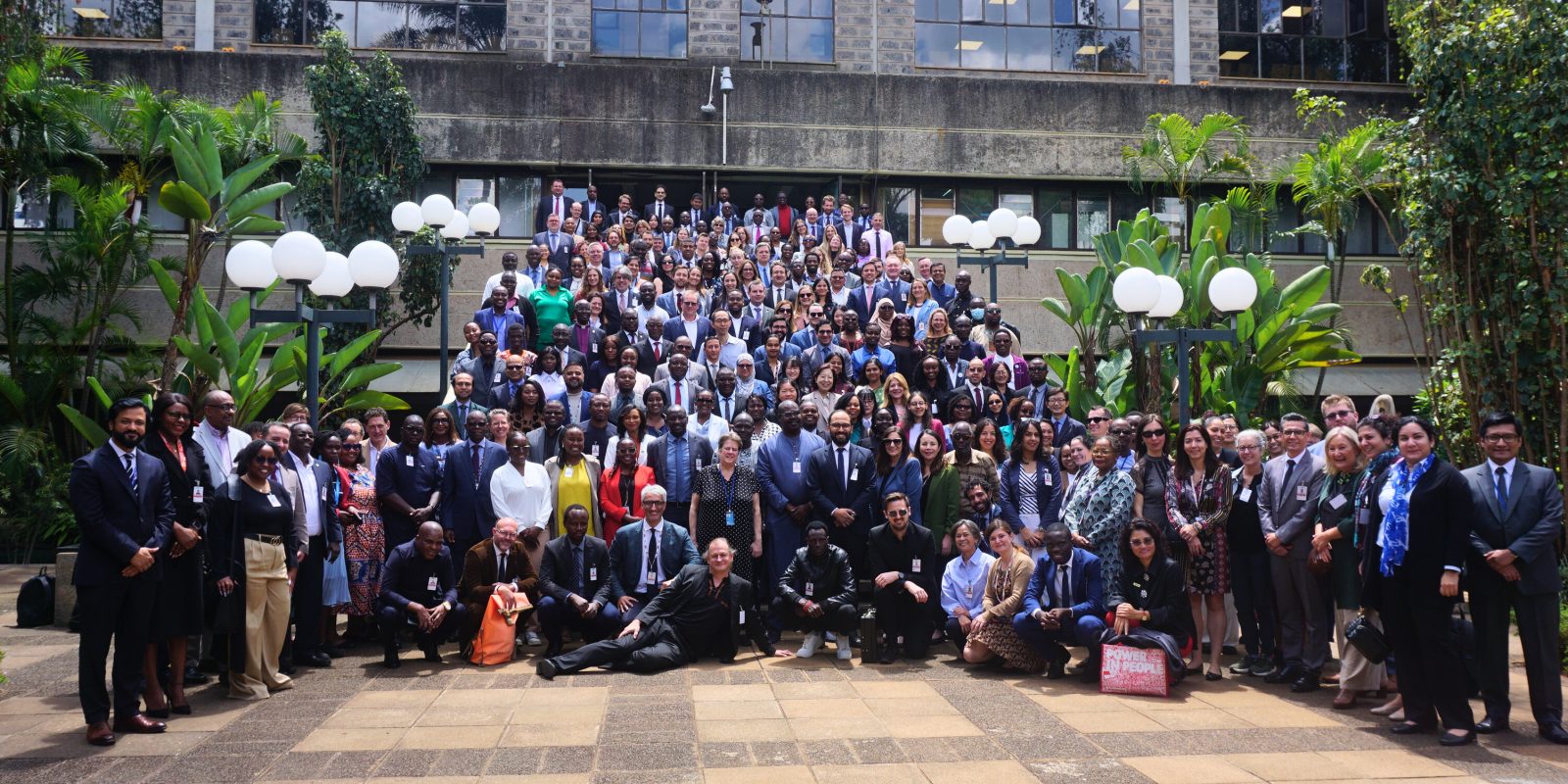
The negotiations for a UN Tax Convention and two early protocols began in 2025. The Intergovernmental Negotiating Committee (INC) holds three sessions a year with the aim to finalize the text for submission to the UN General Assembly in mid-2027. Dive deeper into each session on the left of this page.
The UN Tax Convention Mandate
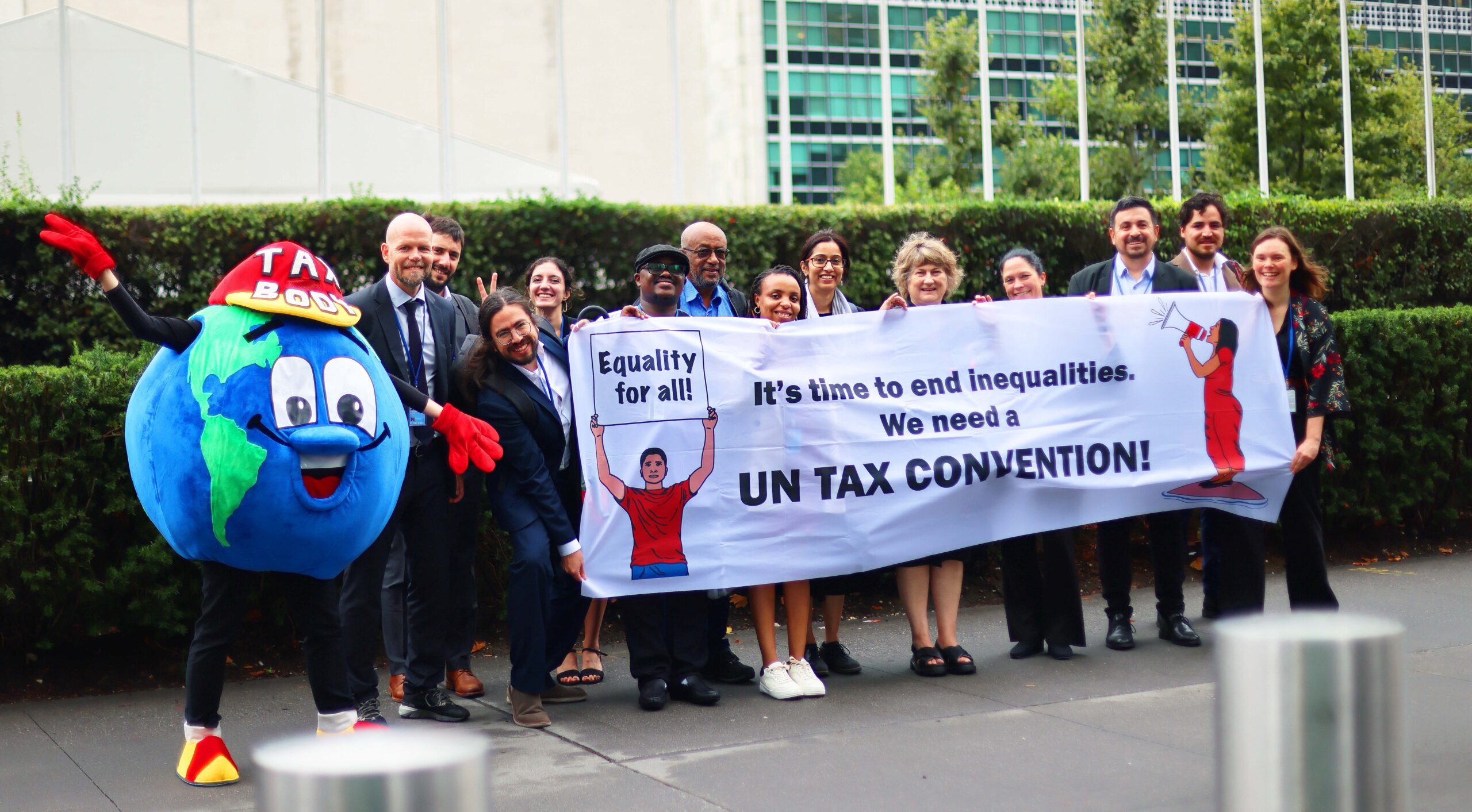
Countries came together in 2024 under an Ad Hoc Committee to draft the Terms of Reference, the mandate for the UN Tax Convention. In November 2024, the UN General Assembly adopted the Terms of Reference and the roadmap for negotiations between 2025 and 2027. The Terms of Reference mandated three legally binding agreements: a UN Tax Convention and two early protocols. The Convention aims to build a fair, inclusive, transparent, and effective global tax system that supports sustainable development and gives all countries an equal voice in rule-making.
The UN Secretary-General Report
Following a report by the UN Secretary-General outlining options for international tax cooperation, a majority of UN Member States voted in favour of starting negotiations for a UN Framework Convention on International Tax Cooperation.
Discussions on Inclusive Tax Cooperation
The campaign achieved a tipping point in 2022, when the African Group, with the support of the G77, successfully moved Resolution 77/244 at the UN General Assembly that opened the door to inclusive intergovernmental negotiations. This moment shifted the international tax debate from the OECD to a multilateral and inclusive arena at the UN.
The Call for a Global Tax Body
The UN Tax Convention negotiations are the result of decades of efforts by countries in the Global South. At the 3rd Financing for Development Conference, the call for a “Global Tax Body,” or what is now the UN Tax Convention, was launched. It was supported by the G77 group of developing countries, unsuccessful at the time due to blocking by OECD members. Civil society continued the push with the slogan: “If You Are Not at the Table, You are on the Menu!”