
Since its inception, the Global Alliance for Tax Justice (GATJ) has been a leading force in shaping the tax justice movement, mobilising civil society in global campaigns and targeted advocacy. Through the coordination of diverse organizations across the Global South and North, GATJ has contributed to a major shift in the struggle for fair and effective global tax rules. GATJ has shown that tax is not a technical subject but a deeply political issue that can redistribute wealth and deliver public finance for development, public services, human rights, gender equality, and climate action. The coalition’s work has been pivotal in working to change the global tax rules and strengthen civil society’s participation in tax debates.
The Building of a Global Movement for Tax Justice
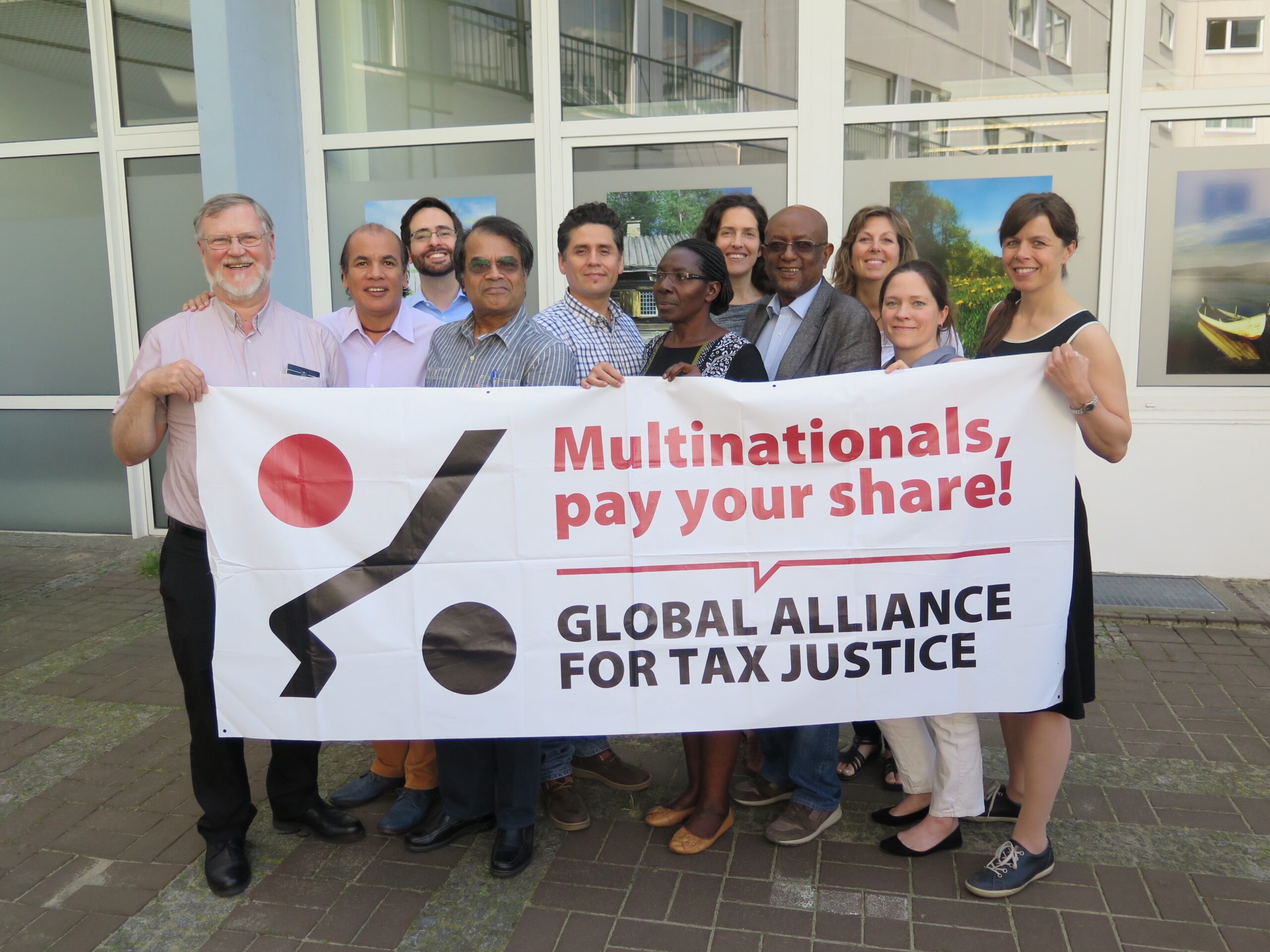
In Lima, a group of organisations came together in response to the structural issues of the global tax rules. They established GATJ to be a campaigning organization capable of uniting a diverse coalition. From its inception, GATJ has been a Global South-led coalition, amplifying the voices of Global South civil society and grassroots movements. Owned and led by its regional members, GATJ represents regional tax justice networks in Africa, Asia, Europe, Latin America and the Caribbean, and North America.
GATJ was established during a period of growing public awareness of the harm caused by corporate tax abuse and austerity policies following the global financial crisis leading to the first campaign to Make Multinationals Pay Their Share.
If You Are Not at the Table, You Are on the Menu: UN Tax Body Now!
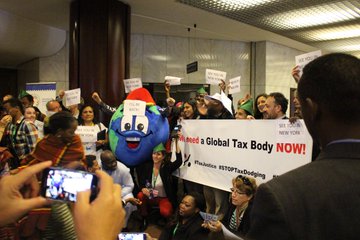
From GATJ’s creation, it was clear that the global tax rules must be overhauled to create fair and effective system. The “rich countries’ club” of the OECD was deemed as unfit for the role of global tax rule-making and civil society demanded a forum where all governments can negotiate as equals. In July 2015, GATJ campaigned for a “Global Tax Body”, supporting the call by the G77 at the 3rd UN Financing for Development Conference. While the demand for the “Global Tax Body” was blocked by OECD countries, this laid the foundation for reform to the global tax rules at the UN.
As a result of its work coordinating civil society and pushing for global solutions, GATJ was named one of the top 10 most influential organisations on tax.
Lima Declaration on Tax Justice and Human Rights
As the global campaigning organization for tax justice, GATJ held the Global Week of Action for Tax Justice. Meeting in Lima, GATJ and allies came together to produce the Lima Declaration on Tax Justice and Human Rights.
The Panama Papers
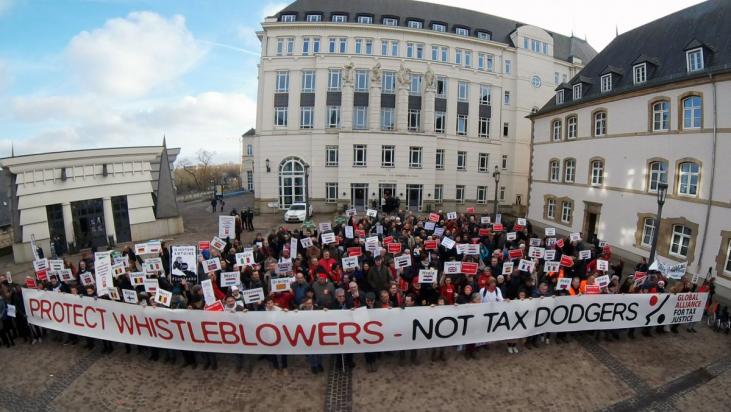
With increasing scandals coming out illustrating the extent of global tax abuse, including the Panama Papers, GATJ intensified its advocacy for reforms to the international tax system as well as protection for whistleblowers. With the increasing tax leaks, GATJ worked with allied partners to demonstrate the need for a systemic change to the global tax rules to recover lost tax revenues, reduce growing inequality, and deliver finance for development and public services.

Make Taxes Work for Women
The strength of GATJ’s work lies in its ability to unite a diverse movement of civil society, grassroots movements, and trade unions. This is particularly evident in the GATJ co-coordinated Tax and Gender Working Group which launched the first annual Global Days of Action on Tax Justice for Women’s Rights, beginning on International Women’s Day and coinciding with the dates of the United Nations Commission on the Status of Women. This work fixed a missing but critical link in the tax movement: the impact of tax systems on gender equality.

Tax Justice in the Extractives Sector
As the tax justice movement continued to grow, so did the work linking taxation to broader struggles. The Global Days of Action for Tax Justice in the Extractive Industry took place to expose the extent of tax abuse in the extractive sector, ultimately leading to the bleeding of resources from the Global South to North.
Nobel Peace Prize Nomination
As a result of GATJ’s “success in building global alliances” to increase transparency in the global financial system, GATJ and the International Consortium of Investigative Journalists (ICIJ) were nominated for the Nobel Peace Prize by Norwegian lawmakers.
Framing Feminist Taxation Guide
The Tax and Gender Working Group co-coordinated by GATJ launched the Framing Feminist Taxation Guide Volume 1 which launched a process including the subsequent Volume 2 (2022) and Volume 3 (2026). This seminal report, a result of a collective effort, provided a critical break from existing ideas around taxation through using a feminist economics lens.
UN Tax Convention Now!
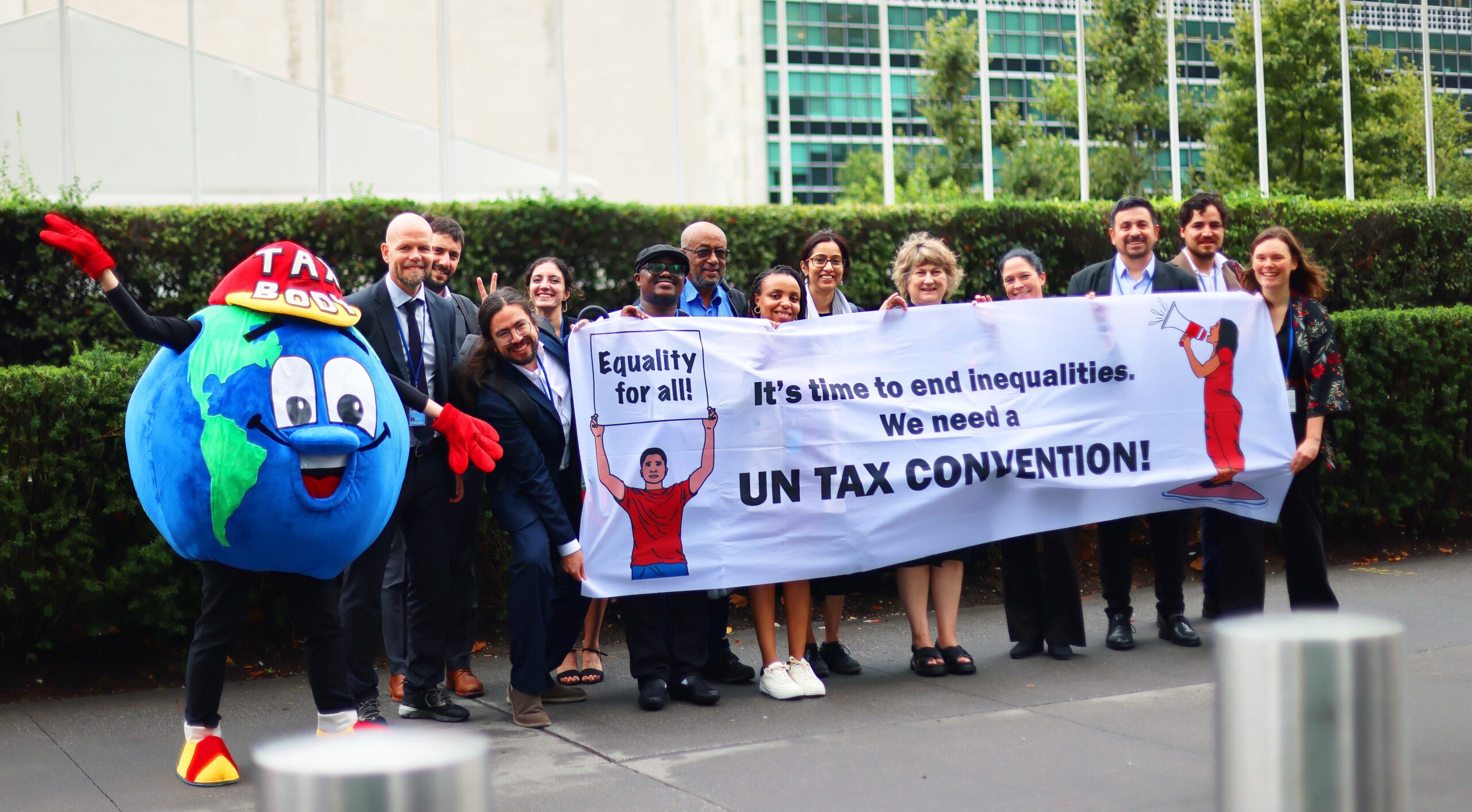
The campaign for a “Global Tax Body” reached a turning point when the Africa Group tabled the resolution to begin negotiations for a UN Framework Convention on International Tax Cooperation (UN Tax Convention). The Africa Group’s leadership, along with the support of the G77, made this victory possible.This success follows a decade of campaigning by GATJ and launched a historic process to rewrite the global tax rules.
GATJ at 10
GATJ celebrated its 10th year anniversary under the theme of Tax and Extractives: Make Multinationals Pay Their Share, Rewrite Global Tax Rules.
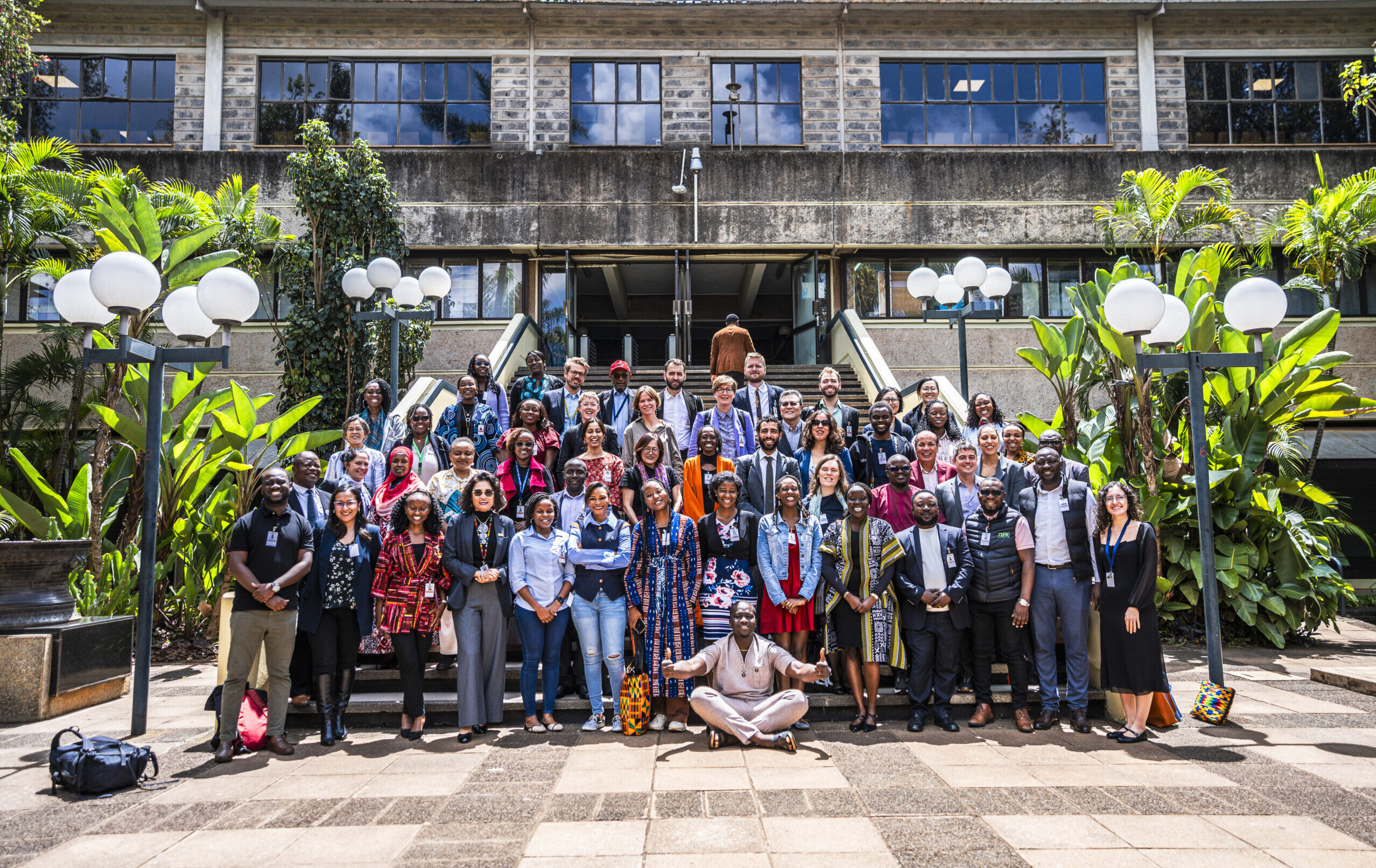
The Start of the UN Tax Convention Negotiations
Following the adoption of the strong Terms of Reference for the UN Tax Convention, the negotiations officially began in 2025. GATJ, as co-coordinator of the UN Tax Convention Working Group, brings together civil society in the negotiations to develop shared submissions, produce a daily chronicle for negotiators, and develop joint interventions. As a result of this work coordinating joint submissions and advancing key tax justice issues, GATJ’s Chair Luis Moreno was named one of the Top 50 Most Influential People Globally on Tax.