
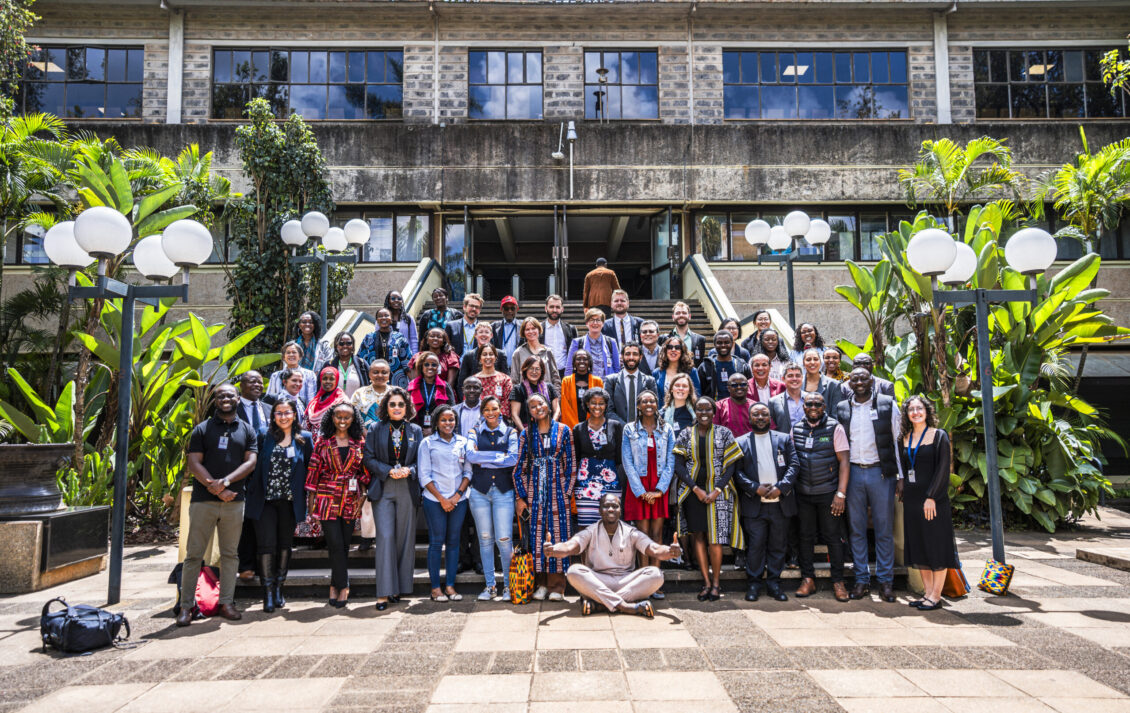
Civil society in the UN Tax Convention negotiations in Nairobi. Photo by Danny Skilton (IISD/ENB).
2025 began a new era of international tax cooperation. Following a decade of campaigning and advocacy for fair and effective global tax rules, GATJ welcomed the launch of the negotiations for a UN Framework Convention on International Tax Cooperation, which will run until mid-2027. The negotiations are historic: they are set to address the central issues of tax cooperation, including a fair allocation of taxing rights and are the first time that countries can negotiate tax rules on an equal footing. In the first year of negotiations, governments’ engagement evolved from general political support to active participation in shaping the content of the new global tax rules.
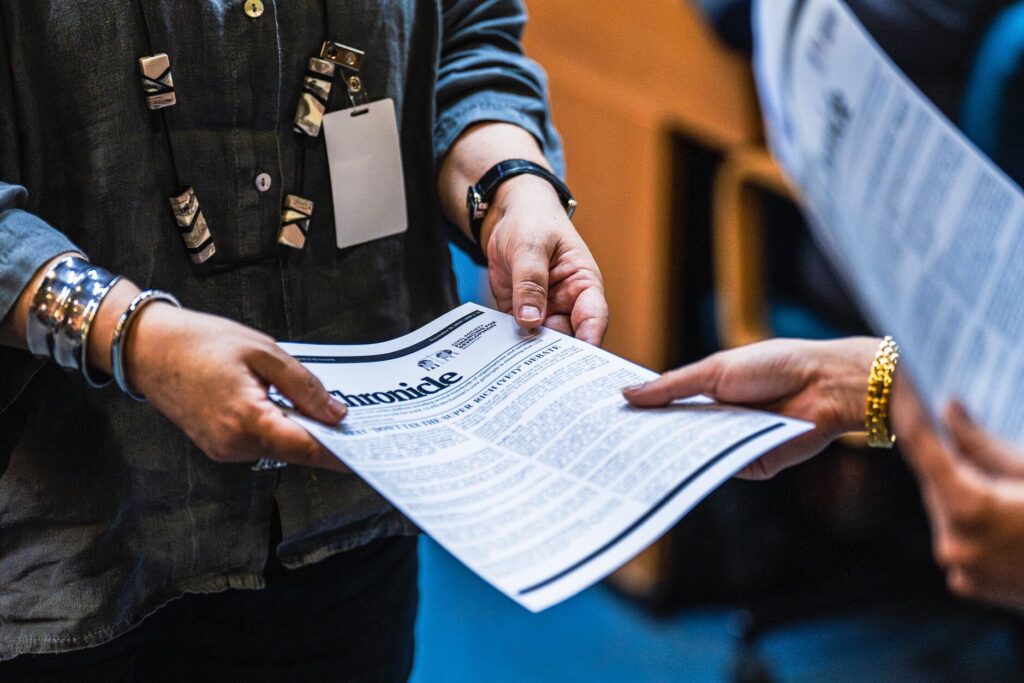
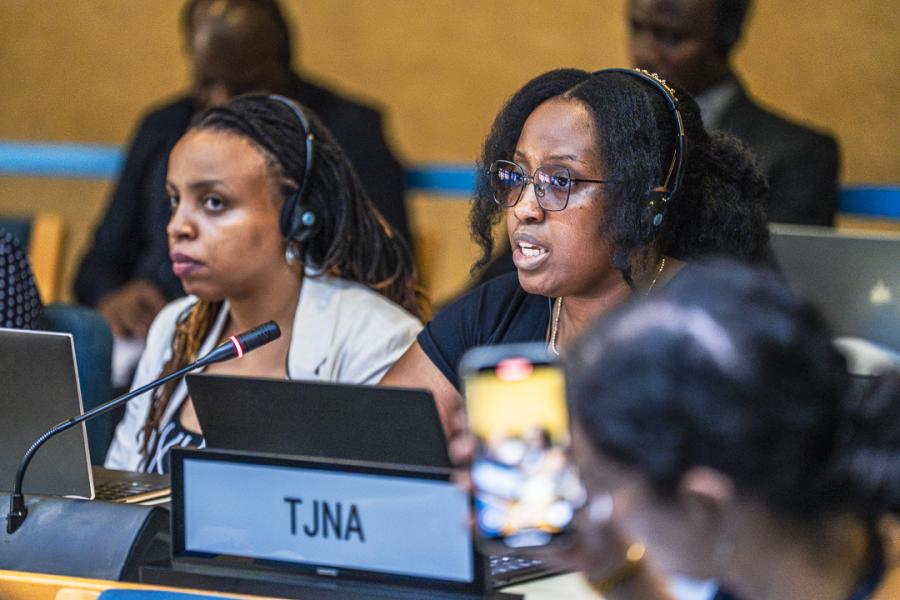

GATJ convened civil society around the negotiations as co-coordinator of the UN Tax Convention Working Group with Eurodad, developing shared policy positions including a Catalogue of Proposals for Articles for the New UN Framework Convention on International Tax Cooperation and a joint submission of nearly 200 civil society and trade unions. During the negotiating sessions in 2025, GATJ held daily civil society meetings, coordinated 50 interventions, and co-produced chronicles in English, Spanish, and French to inform delegates. As the uniting front of the tax justice movement, GATJ brings together civil society to act as a collective voice in the negotiations for the “trillion-dollar treaty.”
In 2025, GATJ continued to break down silos and build connections between tax justice, gender equality, and care. Coordinating the Tax and Gender Working Group, GATJ held the annual Global Days of Action on Tax Justice for Women’s Rights on the need for progressive tax systems to create societies that publicly fund care. The campaign brought together civil society, academia, decision-makers, and trade unions in 15 events around the world.
Throughout the year, GATJ illustrated how there is no lack of finance; only a lack of tax justice. In Make polluters pay: Proposal for a surtax on fossil fuel industries’ profits, GATJ and Eurodad show that more than a trillion dollars could have been raised for climate action and development since the adoption of the Paris Agreement in 2015, if the world’s 100 largest oil and gas companies had been charged a 20 per cent surtax on their enormous profits. The report, released during the concurrent November COP30 climate negotiations and UN Tax Convention negotiations, creates a new paradigm in progressive environmental taxation.
2026 continues to be a decisive year in the shaping of the international tax rules. GATJ will continue to bring together movements from around the world to push for global tax rules that work for people and the planet.
Learn more in our 2025 annual report: